
Car Key Replacement by Vehicle Brand — What Makes Each One Different
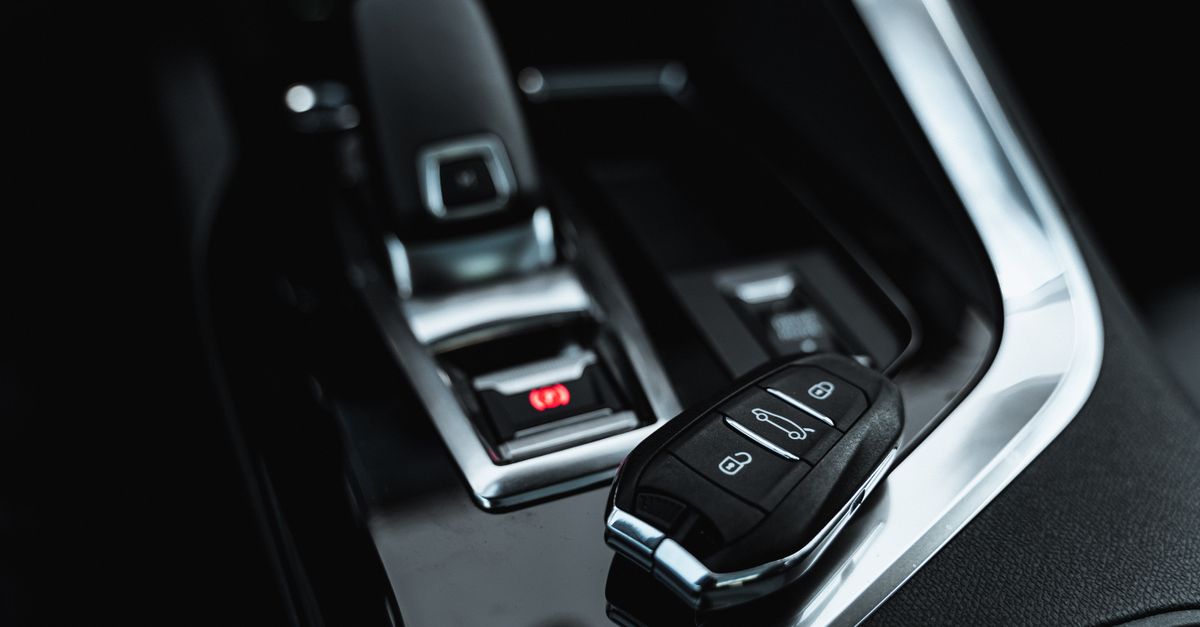
Not every key blank or programming protocol is the same, and the brand of vehicle you drive has a direct impact on how a replacement is produced. Ford and GM vehicles from the late 1990s onward typically use a transponder chip that must be cloned or programmed to the vehicle's on-board computer, and many newer F-Series trucks and Silverados use high-security laser-cut keys that require specialized cutting machinery rather than a standard key duplicator. Toyota and Honda keys — especially those made after 2010 — often use rolling-code proximity fobs that can only be programmed through a direct connection to the vehicle's OBD-II port, a process our technicians perform with professional-grade programming tools on your street or in your driveway.
European brands like BMW, Mercedes-Benz, and Volkswagen add another layer of complexity. Many of these vehicles use encrypted key systems where the replacement must be paired at the module level, and some require dealer-level software access that our mobile equipment is equipped to handle. Hyundai, Kia, Subaru, and Nissan each carry their own protocols as well. Regardless of brand, the factors that shape your final quote include the specific year, make, and model of the vehicle, the type of key required (basic transponder, laser-cut, proximity fob, or push-to-start smart key), any parts that must be sourced, travel distance to your location, and the time of day you call. We walk you through all of that before work begins.