What Is a Mortise Lock and Why Commercial Doors Demand One
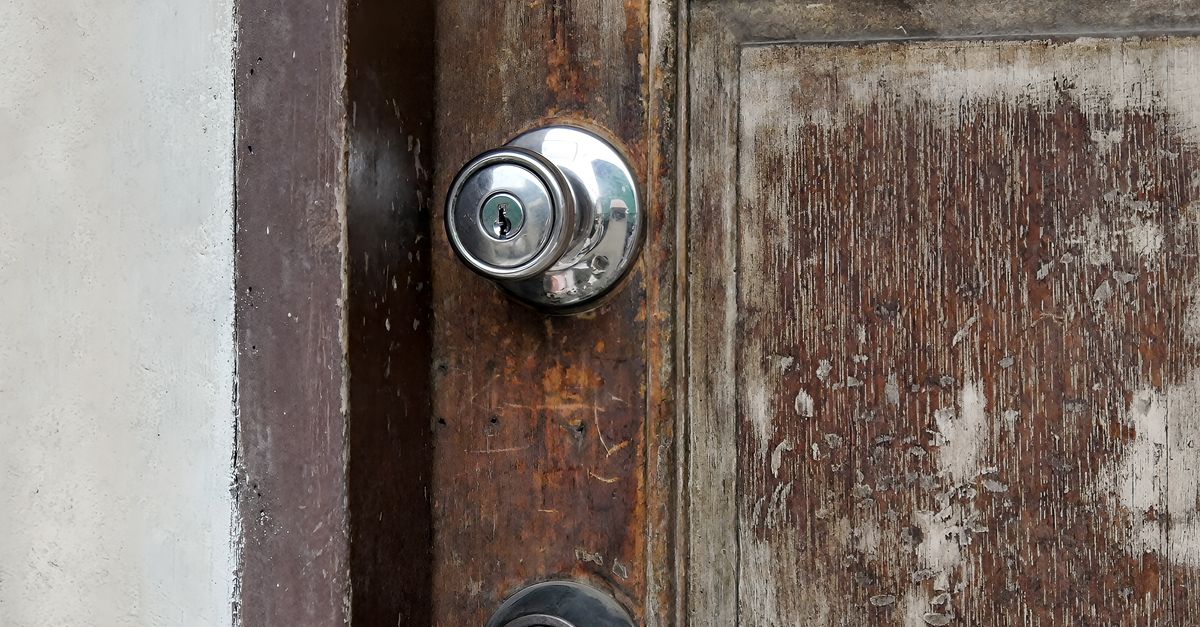
A mortise lock is a complete locking mechanism — latch bolt, dead bolt, strike, and often an integrated lever or knob trim — that is recessed into a precisely routed pocket (the mortise) cut into the door's edge. Because the lock body sits inside the door rather than on its face, the hardware is shielded from prying and impact in a way that cylindrical or rim-mounted locks simply cannot match. In a commercial setting, that matters enormously: a busy restaurant on Dillard Street or a medical suite in a Winter Garden professional park may have hundreds of door cycles per day, and only a mortise-grade mechanism is engineered for that kind of continuous use.
A mortise lock set also gives facilities managers tremendous flexibility. The same mortise body can accept a wide variety of trim functions — passage, privacy, classroom, storeroom, and office — so a single hardware platform can serve every door in a building. When the function needs to change (say, converting a storeroom to a secure server room), a trained technician can swap the cylinder and trim without touching the lock body itself. That modular design is one reason brands like Corbin Russwin mortise lock sets and Baldwin mortise lock series have been the choice of architects and security consultants for decades.