What Does a Locksmith Do During a Deadbolt Installation?
A trained locksmith does considerably more than drill a hole and drop in a bolt. Before any hardware is touched, our technician evaluates your door — its thickness, material, existing bore size, strike plate condition, and how well the door aligns with the frame. A deadbolt that is installed into a door with a misaligned frame or a shallow strike plate offers little real resistance, regardless of the lock's grade rating. We check all of these variables first. On a standard residential door we ensure the bore is the correct diameter for the chosen lock body, that the strike plate is anchored with long structural screws that reach the stud behind the jamb, and that the bolt throw is fully extending and seating cleanly. On commercial doors or steel-framed entryways — common in Winter Garden's retail and office spaces along Dillard Street — the process involves additional steps to account for heavier door materials and higher-cycle hardware requirements.
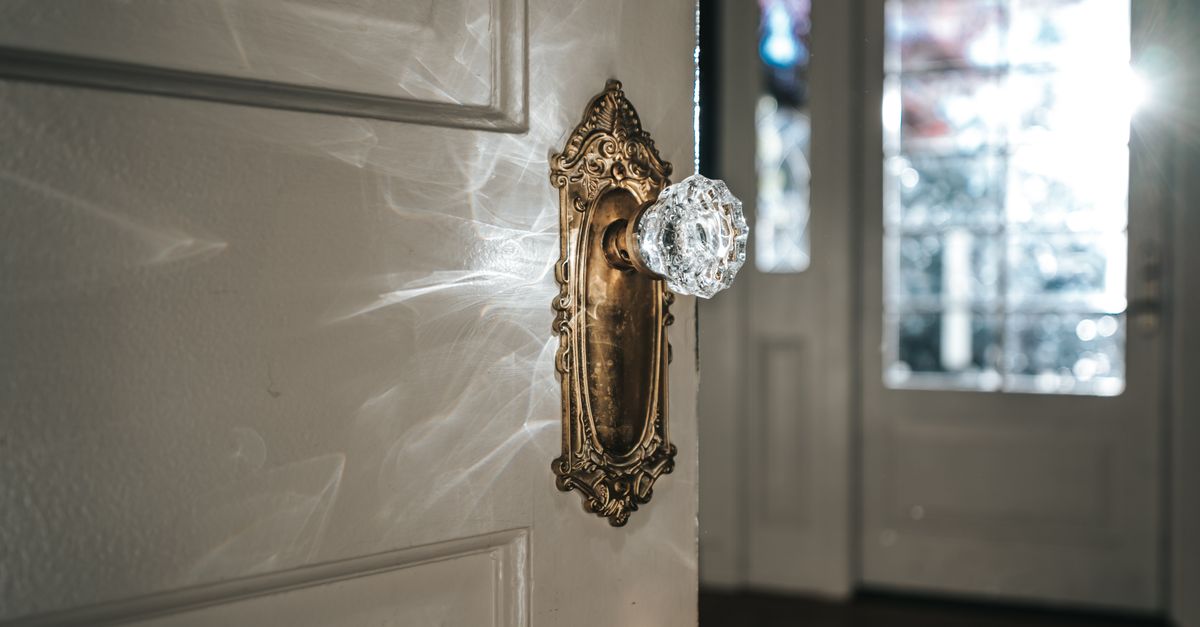
For outward-swinging doors, a standard deadbolt exposes its cylinder to potential attack. In those cases we often recommend and install a jimmy proof deadbolt, which interlocks with a surface-mounted rim strike rather than projecting a bolt into the frame — effectively making the door and frame one rigid unit when locked. Our technicians explain every option in plain language so you can make an informed decision rather than simply accepting whatever hardware is on the truck. We also install mortise locks, which are recessed into the edge of the door and combine a latch, deadbolt, and sometimes a privacy function in a single integrated body. Mortise lock installation is a more involved process that requires routing a precise pocket into the door stile, but the result is a level of strength and longevity that surface-mounted cylindrical locks simply cannot match — particularly valuable for older Winter Garden properties with thick wooden doors.