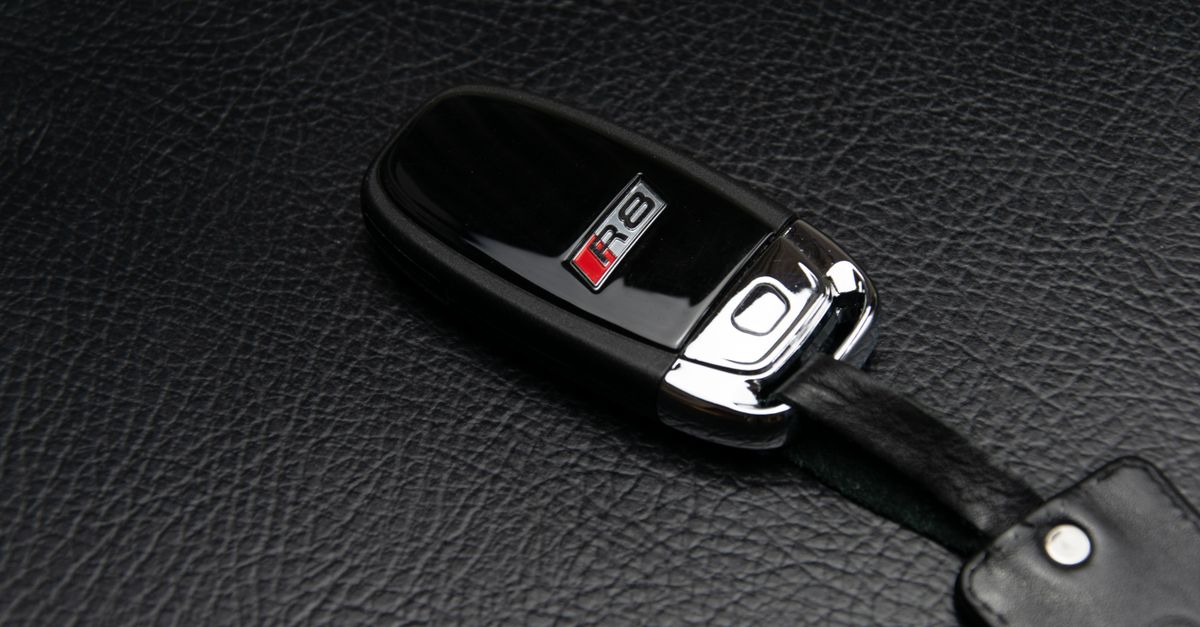
Audi Car Key Replacement: Understanding What You Actually Have
Not every Audi key is the same, and misidentifying yours leads to wasted time and wrong parts. Audi has used at least four distinct key technologies across its modern lineup. Older models from the late 1990s and early 2000s used a basic transponder key — a metal blade with a small chip embedded in the bow that must be matched to the car's immobilizer. Mid-2000s to early 2010s vehicles transitioned to flip-style remote head keys combining a transponder with a fold-out blade and built-in fob buttons. From roughly 2010 onward, many Audi models moved to a proximity smart key, often called the Advanced Key, which allows push-button start without inserting anything into the ignition. The newest generation uses an all-digital key card on some trims. Knowing which type your car uses determines the specific blank, the cutting method, and the programming protocol — and our technicians identify all of this on arrival.
Each of these key types requires a different service approach. A transponder key replacement involves cutting a blade to the correct Audi key profile and then writing the chip code to pair with your vehicle's ECU. A remote head key adds an additional step of syncing the RF transmitter so lock, unlock, and trunk buttons work. A smart key or Audi Advanced Key replacement is the most involved — the proximity sensor must be programmed through a secure OBD-II dialogue with the vehicle's comfort control module. None of these steps should be attempted with generic, unprogrammed blanks, which is why on-site professional service matters so much for Audi owners specifically.